
Toronto’s Electric Ferries: Clean Transportation to the Toronto Islands
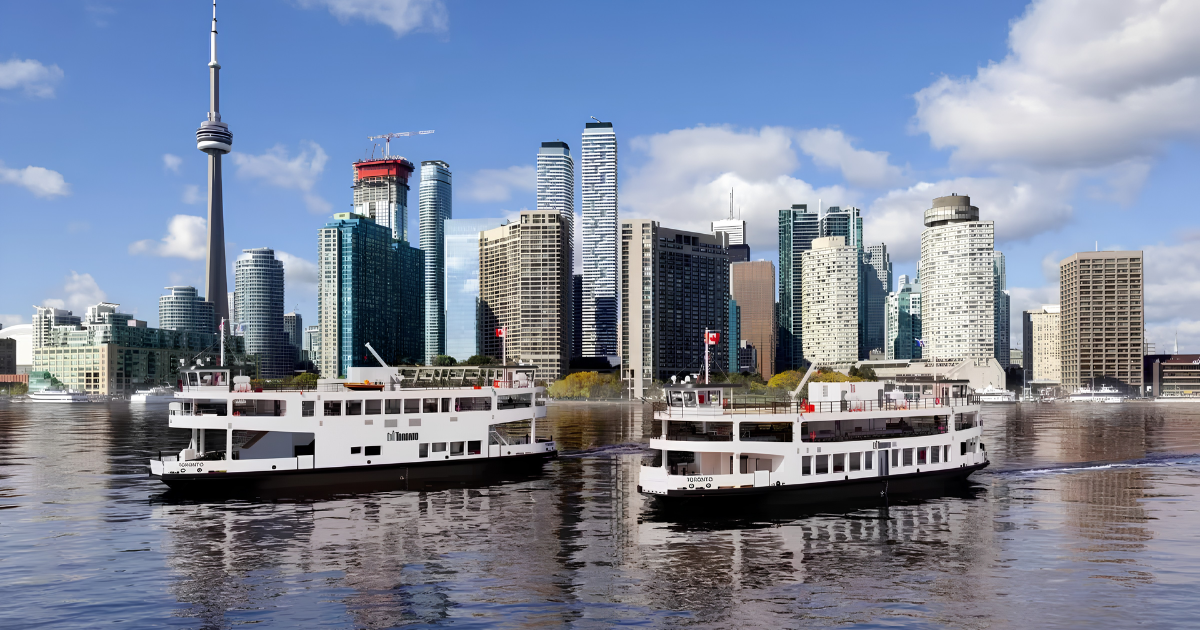
Toronto is moving forward with a major renewal of its aging ferry fleet, including two new electric ferries. As part of the ferry replacement program, the City has ordered two fully electric RoPax vessels from Damen Shipyards Group. Zenitel, together with Theunissen Technical Trading, is supplying onboard communication systems supporting safe and coordinated operations aboard the new ferries.
Ferry Renewal in Toronto
The City of Toronto’s ferry replacement program is part of the City’s broader sustainability goals. According to its long-term initiatives, Toronto aims for 100 percent of vehicles to use low-carbon energy by 2050.
Damen Shipyards Group is delivering two fully electric RoPax vessels: one passenger-and-vehicle ferry and one passenger-and-bicycle ferry. The vessels are being built to modernize the ferry service connecting downtown Toronto with the Toronto Islands. The first vessel, Lady of the Quays, is expected to arrive in late 2026, with the second, Toronto Islander, following in 2027 after construction, testing and commissioning.
Zenitel is contributing to the project, supplying onboard communication infrastructure designed to support reliable communication and coordinated vessel operations.
The Shift to Zero-Emission Transport
The Toronto Island ferry service operates between the Jack Layton Ferry Terminal and the Toronto Islands, serving both a major public park and a residential community. The route is a high-traffic connection across Toronto Harbour on Lake Ontario, carrying residents, commuters, and visitors throughout the year.
The current fleet consists of four primary ferries, together with the historic Trillium. While the vessels have been maintained throughout their service lives, parts of the fleet are between approximately 50 and 100 years old. Together, the ferries carry more than 1.4 million passengers annually, as well as around 5,000 vehicles and a significant number of bicycles. Passenger demand has increased by approximately 250,000 over the past five years.
Replacing diesel-powered vessels with electric ferries is expected to reduce greenhouse gas emissions by approximately 2,800 tons annually once the full fleet is electrified — an impact the City compares to removing around 600 cars from the road each year. The Toronto Islands route is particularly well suited to electric operation. Its relatively short distance and predictable operating cycle allow vessels to operate within reach of dedicated charging infrastructure.
As Henk Grunstra, Damen’s Product Director for Ferries, noted:
“The City of Toronto is taking a big step forward for reduced-emissions public transport. Fully electric vessels represent an ideal solution for a short route such as this one, within easy reach of charging infrastructure.”
The New Electric Ferries for the City of Toronto
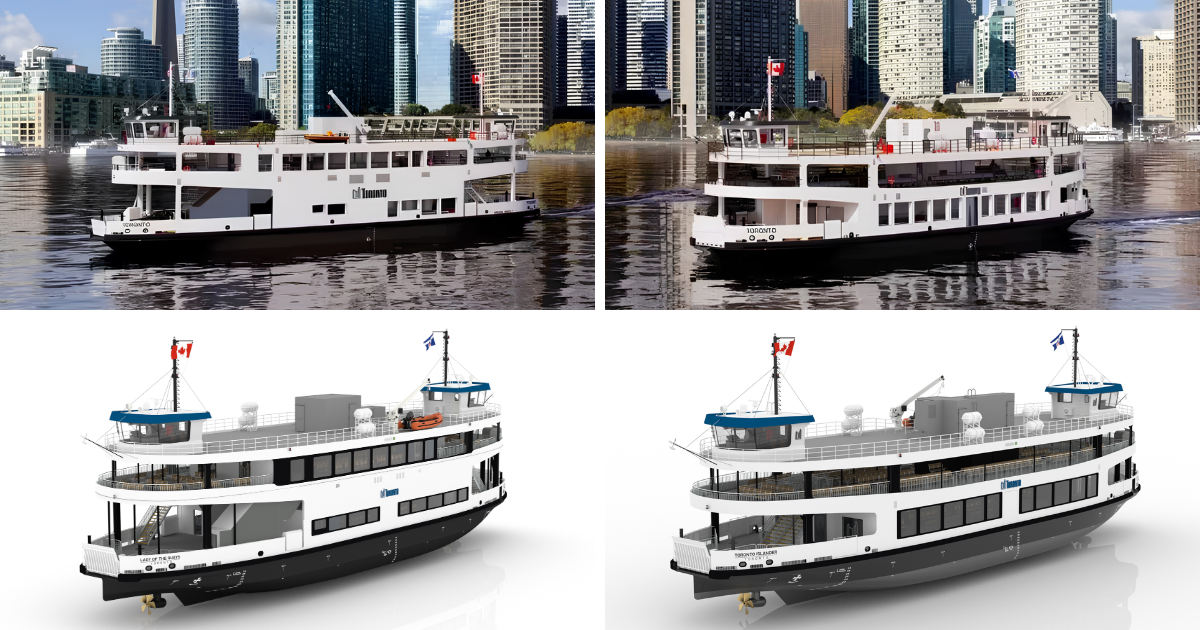
Both vessels measure 50 meters in length with a beam of 13 meters. They are fully electric and designed for year-round service, including ice-crushing capability.
Lady of the Quays is designed to carry both passengers and vehicles, with capacity for 650 passengers and either 14 vehicles or two trucks. When operating without vehicles, it can accommodate up to 1,300 passengers. Toronto Islander, the passenger-only vessel, can also carry up to 1,300 passengers and includes dedicated space for bicycles.
Design and Build Collaboration
The project brings together Canadian naval architecture expertise and European shipbuilding capabilities. The vessels were designed by Quebec-based Concept Naval and are being constructed by Damen at its shipyard in Galați, Romania.
The design process involved approximately two years of collaboration. The resulting vessels combine modern electric propulsion with a design intended to reflect the historical character of Toronto’s ferry fleet. Beyond replacing aging vessels, the project addresses operational requirements including accessibility, passenger flow, capacity and year-round reliability.
Onboard Communications Designed by Zenitel
In collaboration with Theunissen Technical Trading, Zenitel is supplying an integrated package of onboard communication systems for the new ferries. The delivery brings together public address and general alarm, IP-based telephone and intercom communication, and a sound-powered emergency telephone system.
The scope includes:
- SPA-V2 Public Address and General Alarm (PAGA), including MED-approved system components, alarm functionality, microphone and alarm panels, and loudspeakers
- ICS 6200 telephone system, supporting VoIP communication and integration with the PAGA system
- Zenitel Turbine IP intercom stations for onboard operational communication
- VSP sound-powered telephones, providing an independent means of communication
- Network and associated power supply equipment supporting the communication infrastructure
The systems are designed to work together as part of the vessels’ onboard communication infrastructure. Integration between the telephone, intercom and PAGA systems enables communication across different operational areas, while the PAGA system supports public announcements and general alarm functions.
Together, the solutions provide crews with multiple means of communication for day-to-day operation and safety-related situations, supporting coordinated communication throughout the vessels.
A Step Forward in Ferry Infrastructure
The first two electric ferries will replace the Ongiara and William Inglis, two of the existing vessels in Toronto’s aging fleet. The Ongiara currently provides year-round passenger and vehicle-carrying capability, while the William Inglis serves as a passenger ferry. Their replacements will significantly increase passenger capacity while introducing fully electric propulsion.
The project is part of Toronto’s wider sustainability and infrastructure renewal efforts, including preparations for charging infrastructure at the Jack Layton Ferry Terminal. The vessels will also become the 23rd and 24th ferries delivered by Damen to Canada over the past ten years.
Toronto’s ferry renewal illustrates how fleet modernization can address several operational requirements at once. The transition from an aging diesel fleet to fully electric vessels increases capacity and supports lower-emission operations, while modern onboard communication systems provide crews with the infrastructure needed for coordinated day-to-day operation. Through its collaboration with Theunissen Technical Trading, Zenitel is contributing communication technology designed for reliable maritime operation throughout the vessels’ service life.
Launch video of the Lady of the Quays Ferry