
MT6067 FSV: Built for the Future of Walk-to-Work Vessel Operations
The MT6067 FSV marks a new step in the evolution of the Walk-to-Work vessel segment. Supporting complex onboard operations in harsh maritime environments, Zenitel delivered integrated communication and safety systems for this Walk-to-Work vessel through ACEL, responsible for the vessel's electrical and systems integration scope.
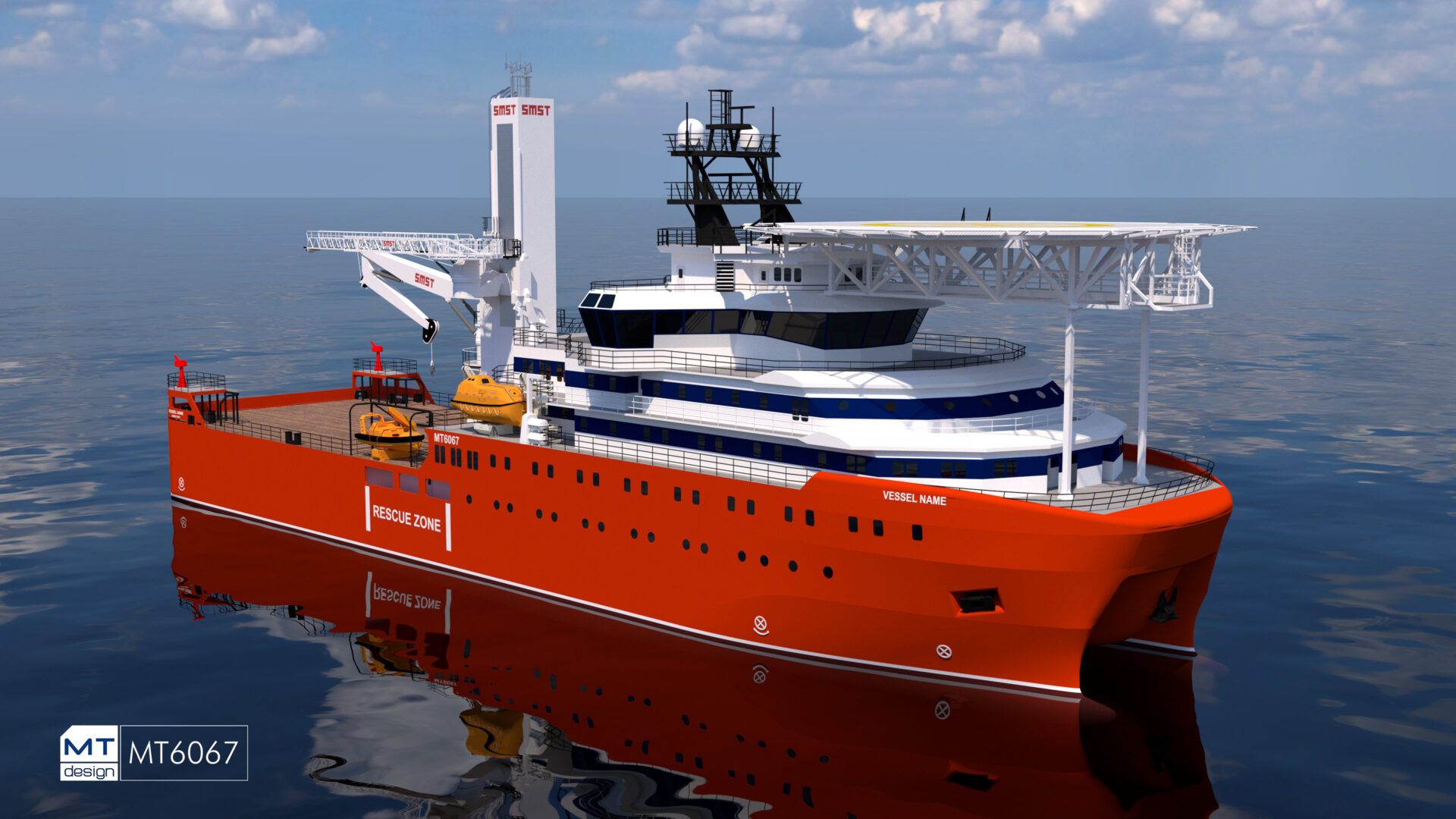
Innovative Solutions for the First Deepwater Offshore Project in Romania
The MT6067 FSV combines crew safety, onboard comfort, and operational flexibility. The vessel will operate in support of an unmanned gas platform as part of the Neptun Deep project. It is the first deepwater offshore project in Romania and the largest natural gas project in the Romanian Black Sea, expected to make a major contribution to the country’s long-term energy security.
The vessel is designed for multi-role offshore energy operations. It will serve as a floating base for technicians carrying out maintenance work on the platform, function as an onboard warehouse, and transport people and supplies.
At 89.5 meters in length, the multihull vessel will feature a motion-compensated Walk-to-Work (W2W) gangway, offshore crane, and accommodation for 90 personnel in single cabins. Because technicians and administrative teams will live onboard rather than on the platform, the vessel effectively becomes a fully functional offshore operations hub.
The Evolution of Safe Operations in the Most Challenging Environments
The MT6067 concept is rooted in an idea first identified around 2006, when designers recognized the growing need for vessels capable of safer and more efficient offshore personnel transfer. It combined stable vessel platforms, advanced gangway systems, and operational flexibility. Over time, this concept evolved into today’s Walk-to-Work vessel segment, where motion-compensated gangways and precise station-keeping systems enable secure transfers between vessel and offshore installation.
The vessel represents a mature offshore energy platform developed to improve access, reduce downtime, and support safe operations in demanding offshore environments.
Partnership Driving Maritime Innovation
Bringing this project to life was the result of close industrial collaboration between designer, shipyard, operator, and technology partners. The vessel was designed by Norwegian architects Marin Teknikk with a focus on multi-role offshore energy operations, combining efficiency, flexibility, and mission adaptability.
Green Yard Kleven brought extensive experience in advanced offshore and specialized vessel construction. The yard has established itself as a key builder of complex offshore and renewable energy vessels, combining Norwegian shipbuilding traditions with a growing focus on sustainable maritime solutions. The MT6067 FSV continues this legacy, demonstrating the yard's capability to deliver technically advanced vessels tailored for future offshore energy operations.
ACEL was responsible for the vessel's electrical and systems integration scope, acting as a key technology partner throughout the project. Through close cooperation between ACEL and Zenitel, the onboard communication infrastructure was prepared and delivered to support both current operational requirements and future expansion possibilities.
For operator OMV Petrom, the vessel is tailored to support long-term offshore production with strong emphasis on safe personnel logistics, reliable maintenance support, and efficient daily operations. Together, the technology partners create a complete ecosystem for offshore performance.
Walk-to-Work Vessel Communication System Supporting Offshore Operations
Designed for demanding offshore energy missions, the vessel demonstrates how modern shipbuilding depends not only on hull performance and deck equipment, but also on integrated systems that keep people connected, informed, and protected.
Offshore teams supporting the Neptun Deep project face continuous challenges: real-time coordination between bridge, deck crew, gangway operators, and platform teams; harsh weather and salt exposure; tight transfer windows; and the need for constant emergency readiness.
This is where an integrated Walk-to-Work vessel communication system becomes essential. During W2W transfers, every movement matters. Clear instructions, instant alerts, and uninterrupted communication help reduce risk and improve efficiency. That is why walk-to-work vessel communication solutions must be engineered as one connected platform.
Future-proofing is equally important. Offshore requirements continue to evolve through new regulations and digitalization. Systems installed today must be ready for upgrades tomorrow.
How Integrated Communication & Safety Systems Support Daily Operations
Zenitel delivered a solution designed as one seamless platform, allowing crew members to use, manage, and maintain systems efficiently without the complex settings.
The PAGA system MED approved SPA-V2 solution delivers clear public address and general alarm functionality, with high intelligibility in noisy offshore conditions. A modern maritime CCTV system provides monitoring across critical vessel areas, improving situational awareness during deck work, gangway operations, machinery supervision, and access control.
The ICX AlphaCom platform serves as the core offshore vessel intercom system onboard. It enables reliable voice communication across departments and operational zones, while being prepared for future migration to ConnectPRO. Integration with IP DECT adds mobility for technicians, maintenance personnel, and crew working throughout the vessel.
The VSP batteryless telephone system provides critical communication redundancy during power-loss scenarios, ensuring key lines remain available when crews need them most.
The LAN infrastructure is the digital backbone connecting all IP-based systems into one scalable environment, simplifying management and future expansion.
The MT6067 FSV reflects the continued evolution of offshore support vessels, combining advanced vessel design, operational flexibility, and the infrastructure required to support modern offshore energy operations. As projects become increasingly complex, the ability to integrate people, systems, and processes onboard becomes just as important as the vessel itself.
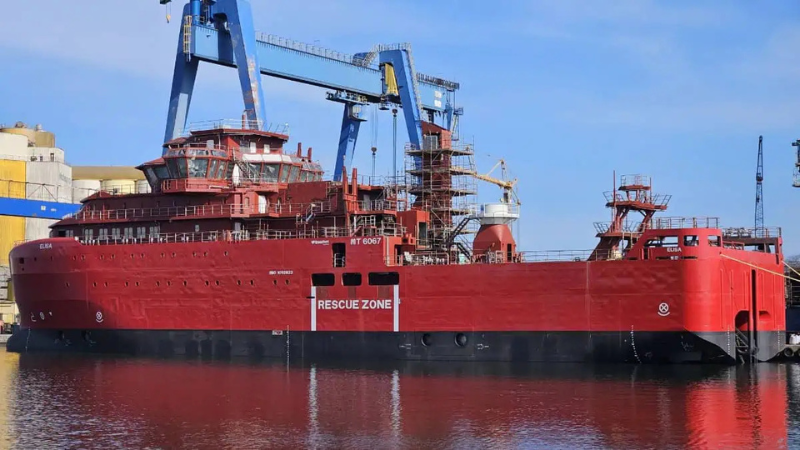
Watch the Video from when "Elisa" was ready to be delivered from the Montex shipyard to Green Yard Kleven.